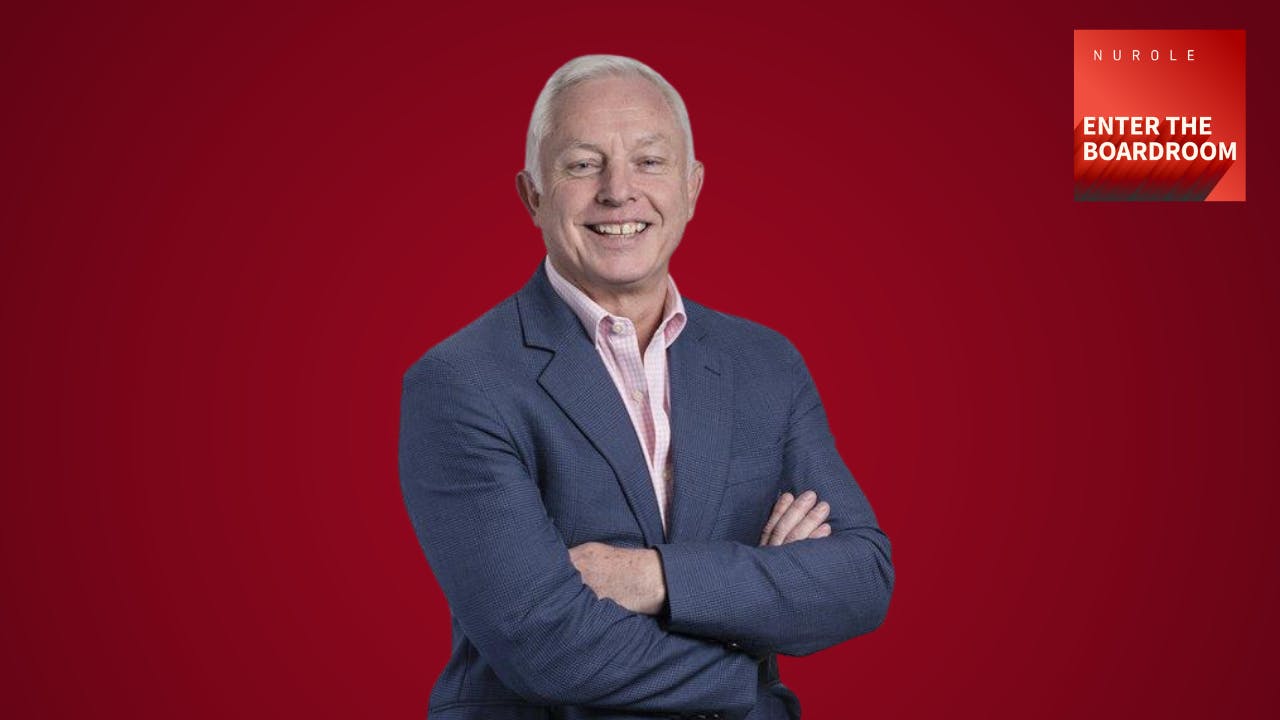


Episode 149. Mark Winlow: Bank & Insurance Boards - lessons from the boards of Aon and Starling Bank
An Enter the Boardroom podcast interview with Mark Winlow
Mark Winlow is Chair of several financial services companies, including Aon UK and Redwood Bank. Formerly, he was Audit Chair at Starling Bank and NED at Tesco Underwriting, AIG Life Ltd, and others.
Tune in to hear his thoughts on: Three examples where insurance boards have changed the trajectory of their businesses (2:18) Non-execs transitioning to CEO (5:19) Mark’s heuristics for understanding insurance businesses (8:02) Three things every board member needs to understand to add value (12:34) Where board members need to go to understand people & culture (14:50) The relationship between insurance and bank boards and respective regulators (17:37) Why Mark decided to chair Redwood after the entire board had resigned (22:41) Starling Bank - the moment key execs left and founded Monzo (29:55) How Monzo out-marketed Starling (32:44) Why Mark thinks the tortoise strategy will beat the hare (34:05) ⚡The Lightning Round ⚡(40:16)
Listen on Apple Podcasts | Listen on Spotify | Listen on YouTube
Seven key themes on board judgement from Mark Winlow's interview:
Winlow focuses on board judgement: when to stop decisions, when to encourage risk, how to diagnose whether the issue is the business or the board, and how Chairs and NEDs can intervene decisively without becoming part of the problem.
1) “Where can boards genuinely change trajectory?”
Winlow’s strongest example is boards stopping over-ambitious strategy (e.g., international expansion) by forcing discipline: “dominate the UK market… stick to the knitting.” He frames this as a purpose-led strategy: new flags abroad must clearly add or protect value, not satisfy the CEO's ambition.
2) “When should non-execs push for more risk?”
He describes pushing exec teams that had become overly cautious (because they were now “big”) to experiment, especially with tech and new segments. Even when pilots didn’t fully work, the board achieved something important: building organisational “muscle” for controlled innovation.
3) “Should a NED ever become CEO?”
Winlow is pragmatic: it’s about fit, not career theatre. He warns it can be risky for the individual (hard to return to a pure NED portfolio) and dangerous if someone joins a board with a CEO intent (politics). But if the right skills are already on the board, it’s rational, because they already understand the business.
4) “What must you understand to add value in FS?”
His heuristic: can you explain the business engine simply, who the customer is, where money comes from, why they buy, and how delivery works? Then add the FS overlay: capital and regulation. If you can’t grasp the engine, you’ll be dangerous to the business.
5) “How far down do you go on people and culture?”
He’s clear: you can’t be effective “just by attending board meetings.” Get data points by talking to people across layers, sometimes including front-line roles—to triangulate what’s really happening.
6) “How do you handle regulators and ‘the naughty step’?”
His Redwood Bank story is the practical playbook: diagnose whether the underlying engine and integrity are sound, then fix governance and relationship dynamics driving supervisory concern. Treat regulators less as adversaries and more like demanding coaches: be open, honest, and prepared.
7) “Starling vs Monzo: tortoise or hare?”
Winlow’s answer is long-termist: shipping a “proper bank” and durable infrastructure may lose the valuation race early, but can win on profitability and resilience over time.
Listen to the podcast
Enjoyed this podcast? Explore the Enter the Boardroom Community
Enter the Boardroom Community is the destination for current and aspiring board members, offering insight, opportunities and practical, proven support to succeed in today’s boardrooms.
You might also like
How board members' perspectives on boards have changed over time
Worst judgement calls board members have got wrong and what they learnt
The worst professional advice board members have received